A washing machine normally connects to hot and cold water through accessible valves and flexible supply hoses. If water appears while the machine fills, the valve, hose coupling or nearby supply pipe may be involved. Shutoff valves should operate without leaking so the appliance can be isolated for repairs. A plumber can inspect the visible connections and identify which components require attention.
A laundry drain carries a relatively fast discharge of water. If the standpipe overflows during the drain cycle, the branch drain may be restricted or the hose arrangement may be unsuitable. Continuing to run the washer can cause additional water damage. The plumbing drain and the appliance pump are different components, so the diagnosis should establish where the problem begins.
Moving a washing machine to a different room involves more than extending a hose. Water supply routing, valve access, drainage, venting and appliance clearances need consideration. The drain must be appropriate for the machine and comply with applicable plumbing requirements. We can discuss the plumbing connections and whether modifications are practical before a homeowner purchases or relocates equipment.
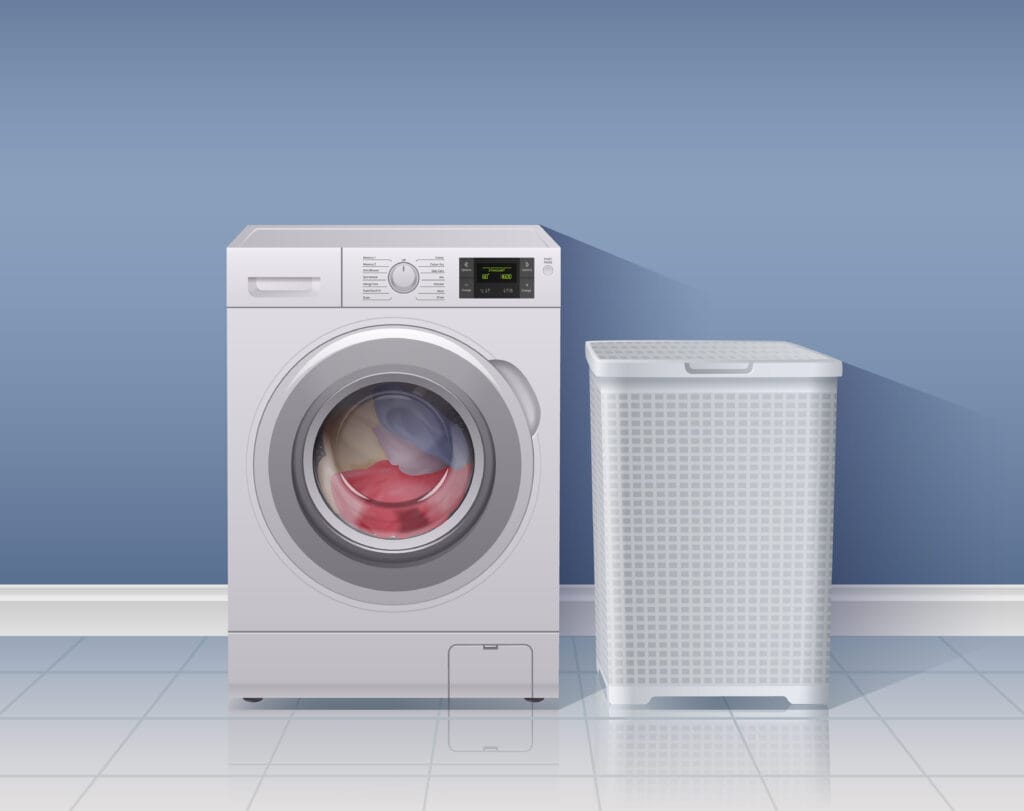
Water beneath a washer can originate from a supply connection, a drain hose or an internal appliance part. Noting whether the leak starts during filling, agitation or draining can help separate these possibilities. A plumbing repair will not resolve a cracked appliance tub or failed internal pump, so the source needs to be identified before selecting a service.
Laundry valves can become stiff after years without use. Some drip from their stems or fail to stop water completely. Forcing a seized valve can damage old connections, so a controlled replacement may be safer. The available space and pipe material affect which valve and connection method can be used.
Avoid pushing the discharge hose too far into the standpipe or sealing it in a way that interferes with proper drainage. Keep the area around the standpipe accessible so leaks are visible. If wastewater backs up repeatedly, the drain may need inspection rather than another appliance cycle. Never rely on chemical drain cleaners as a substitute for diagnosing a recurring blockage.
The plumber asks when the leak or backup occurs, checks the accessible valves and connections, and considers whether the symptoms point to a supply or drain problem. The repair may involve a valve, fitting, drain connection or further drain evaluation. We explain what is visible and what additional access might be needed before proposing more extensive work.
A dripping hose connector may need a different repair from a corroded shutoff valve. Replacing only the washer may leave a plumbing leak unchanged. Conversely, changing a plumbing valve will not repair an internal washer fault. The right decision depends on the observed problem, the condition of nearby connections and the age of the affected components.
If a connection leaks actively, close a safe, accessible water valve and avoid using the washer. Keep water away from electrical equipment. Take a photograph of the valves, hoses and drain connection if you can do so safely. Let us know whether the washer is upstairs or in a basement, and whether water appears during filling or draining.
Can a plumber replace washing machine shutoff valves? Yes, water supply valves and associated piping are plumbing components. Why does my laundry standpipe overflow? A drain restriction or unsuitable discharge arrangement may be involved. Can the plumber repair the washer motor? Internal appliance repairs generally require an appliance technician. Does a new washer always require new valves? Not necessarily; the existing valves and connections should be assessed for condition and compatibility.
Before approving work, ask which connection is leaking, whether the proposed repair includes new valves or hoses, and whether any wall access will be necessary. An accessible laundry hookup is different from piping concealed behind finished surfaces. If a drain problem extends beyond the standpipe, the scope may change after investigation. Clear explanations help homeowners understand what they are paying for.
Inspect visible hoses and valve connections periodically for dampness, corrosion or staining. Keep the laundry shutoff accessible and know where the main water shutoff is located. Avoid running the appliance when an active leak or drain overflow is present. Prompt attention to small drips may help prevent damage to nearby floors, walls and cabinets.
ONG Plumbing serves Bethlehem and surrounding Lehigh Valley communities. When contacting us, describe the machine location, the type of leak or drain problem, and any steps you have already taken. Photos of the visible connections can help clarify the situation. For scheduling or a quote, use our contact page or request form.
We recommend identifying the source of the problem before replacing components. A visible drip does not always indicate which fitting has failed, and some symptoms may involve the appliance rather than the plumbing. The condition of existing piping, access to valves, and the location of the drain all affect the repair. A clear description of the work and any exclusions is useful before authorizing repairs.